Pro Boerne Locksmith Service Team
Local locksmith team
Aug 8, 2026 9 min read
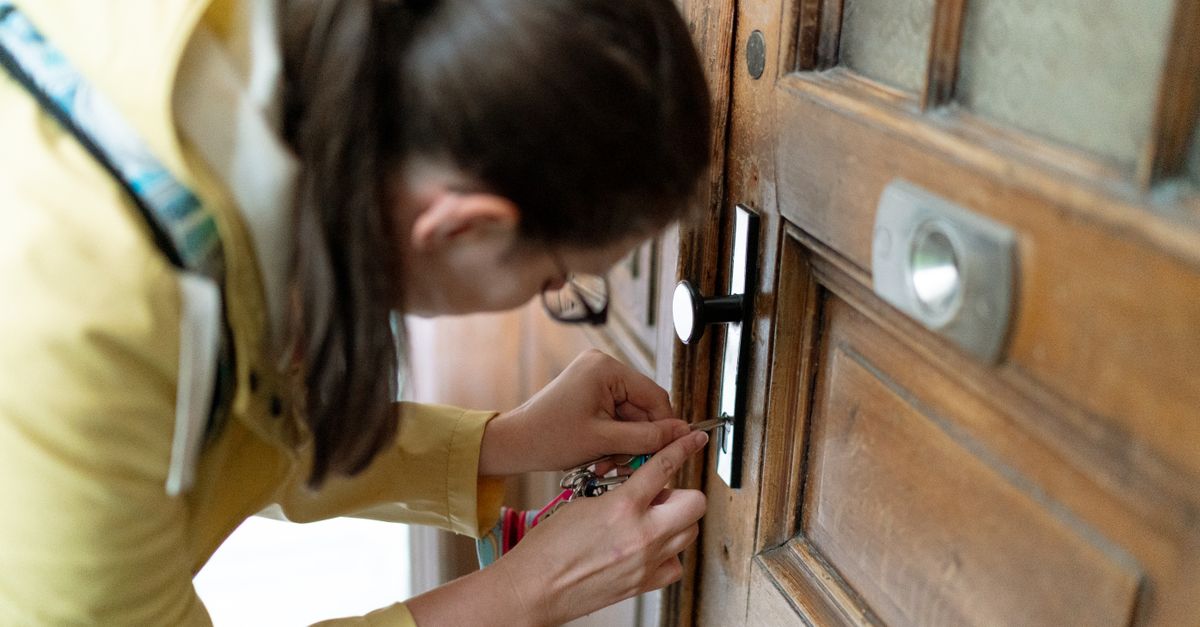
If your front door has started fighting back — grinding when you turn the key, refusing to latch cleanly, or simply freezing up on a humid Texas afternoon — there is a good chance your mortise lock is trying to tell you something. Unlike a simple cylindrical knob lock, a mortise lock set is a self-contained mechanism housed inside a cavity cut into the door itself, and when one of its many internal parts wears, shifts, or corrodes, the whole system can feel like it is working against you. The good news is that many causes of a stiff or jammed mortise lock are easy to diagnose once you know what to look for.
Here in the Fair Oaks area — where summer humidity along the Cibolo Creek corridor can swell wooden door frames noticeably — mortise hardware takes a different kind of beating than it might in a drier climate. This guide walks homeowners through the most common culprits behind a sticking mortise lock, what you can safely handle yourself, and which situations call for a trained locksmith before the problem becomes a full lockout or a security risk.
## What Is a Mortise Lock and Why Does It Stick?
A mortise lock is a multi-component assembly — latch bolt, deadbolt, cam, cylinder, and case — all fitted into a rectangular pocket (the mortise) routed into the edge of your door. Because the mechanism sits inside the door rather than on its surface, it interacts directly with wood movement, dust accumulation, and temperature changes in ways a surface-mounted door knob lock never does. High-end commercial-grade versions, such as a Corbin Russwin mortise lock found on office buildings or older historic homes in the greater San Antonio suburbs, are built to last decades, but even premium hardware develops problems when maintenance is skipped.
The most frequent reasons a mortise lock sticks fall into four categories: lubrication failure, door frame misalignment, worn or broken internal components, and cylinder problems. Understanding which category your issue belongs to is the first step toward fixing it without causing additional damage to an expensive mortise lock set.
## Lubrication Failure: The Easiest Fix You Can Do Today
Friction is the number-one killer of smooth lock operation. Over time, the lubricant inside the case dries out, and metal parts begin dragging against each other. The symptom is a handle or thumb turn that feels stiff throughout its full range of motion but still completes the cycle. Before calling anyone, try applying a dry PTFE-based lubricant (not WD-40, which attracts grit) into the keyway and along the latch bolt face. Work the handle slowly through ten or fifteen complete cycles to distribute the lubricant through the internal mechanism. If stiffness drops noticeably within a few minutes, you have found your culprit.
If lubrication alone does not solve it, do not force the handle. Applying excessive torque to a dry or partially seized mortise lock can shear the cam that connects the cylinder to the bolt, turning a simple maintenance job into a full lock replacement. At that point, the cost factors your locksmith will consider include the complexity of the existing mortise cut, whether matching hardware is still manufactured, and how much door preparation is required — all confirmed in an exact upfront quote before any work begins.
## Door Frame Misalignment and the Fair Oaks Climate Factor
Wood doors in the Fair Oaks Ranch and Fair Oaks area expand and contract with the seasons. A door that swings freely in January may bind against its frame by August, pushing the latch bolt into misalignment with the strike plate. You can usually spot this by watching where the latch makes contact: scratch marks on the strike plate above or below the center hole mean the door has shifted. A temporary fix is to deepen or elongate the strike plate opening with a chisel — but only if the misalignment is minor and the door is otherwise solid. Larger frame shifts, sagging hinges, or warped jambs require a professional assessment, because forcing a misaligned mortise lock through repeated use accelerates wear on the bolt mechanism itself.
Concrete slab foundations common in this part of Bexar County can settle unevenly, pulling door frames subtly out of square over years. If multiple doors in your home are sticking at the same time, foundation movement rather than lock hardware is likely the root cause, and a locksmith visit will help you understand exactly which part of the system needs attention first.
## Worn Internal Components and When to Call an Emergency Locksmith
Inside every mortise lock case are springs, cams, followers, and bolt levers. Springs fatigue. Cams wear oval. When internal parts fail, symptoms escalate quickly: the handle moves but the bolt does not, the bolt extends but will not retract, or the key turns freely without engaging anything. These are not DIY repairs. The case must be removed from the door, disassembled on a bench, and each component inspected individually — work that requires a trained locksmith with hands-on experience in mortise hardware. Attempting to pry or force a non-retractable bolt risks splintering the door edge and destroying the mortise pocket itself. If you are locked out right now, check for a spare key with a neighbor, try a secondary entrance, and call (704) 850-6756 — our team is available 24/7 and can reach most Fair Oaks addresses quickly.
Cylinder problems are a related category worth separating out. If the key is difficult to insert, turns with excessive resistance, or has recently been exposed to dirt or water intrusion, the plug inside the cylinder may be damaged or the pins may be corroded. A professional can determine whether the cylinder needs cleaning, rekeying, or full replacement. Rekeying — the process of changing the internal pin stack so that a new key operates the lock — is far less expensive than replacement and is the right call after a move, a contractor visit, or a lost key. How to rekey a lock is a question many homeowners search for themselves, but on a mortise lock set the cylinder must be extracted correctly before the pins can be reset, and an incorrect extraction can crack the plug. Let a skilled technician handle it.
## Mortise Lock Repairs, Rekeying, and the Full Scope of Our Locksmith Services
Pro Boerne Locksmith serves homeowners, renters, and business owners across the Fair Oaks area with a full range of residential, commercial, and automotive services. Our experienced team handles standard mortise lock repairs and replacements, deadbolt installation, rekeying after a move or security concern, high-security lock upgrades, keypad and smart lock programming (including how to change code on keypad door lock setups when manufacturers' instructions are unclear), car lockout response, ignition repair, transponder key programming, key fob replacement, broken key extraction from any lock type, master key system design, door hardware installation, lock-grade strike plate reinforcement, sliding door lock service, window lock repair and replacement, garage door lock service, padlock and hasp installation, access control system support, safe opening and combination changes, mailbox lock replacement, cabinet and furniture lock repair, intercom-integrated lock service, multipoint door lock repair (common on European-style doors), and emergency boarding after a break-in. Whether the call is routine maintenance or a middle-of-the-night lockout, we confirm an exact upfront price — shaped by factors like lock type, time of call, travel distance, and any parts required — before a single tool touches your door.
For commercial properties along FM 3351 or businesses near the Fair Oaks Ranch Town Center, our commercial locksmith services extend to master key hierarchies, panic bar and exit device service, and after-hours emergency response. We understand that a jammed lock on a storefront is not an inconvenience — it is lost revenue — and we treat every commercial call with that urgency in mind.
Frequently asked questions
How much is the average locksmith charge for a mortise lock repair?+
There is no single flat number that applies to every situation. The factors that shape a final quote include the type and brand of mortise lock set involved, whether parts need to be sourced, the time of day (after-hours and emergency calls carry different pricing), and travel distance to your location. At Pro Boerne Locksmith we confirm an exact upfront price before any work begins, so there are never surprise charges on your invoice.
How long does it usually take for a locksmith to come out to Fair Oaks, TX?+
Response time depends on current call volume and your exact location within the Fair Oaks area, but our mobile team operates 24 hours a day, seven days a week, and we prioritize lockout calls. For most addresses near Fair Oaks Ranch or along the Scenic Loop Road corridor, arrival is typically within a reasonable window — we give you a realistic estimate when you call (704) 850-6756 so you are never left guessing.
How long does it take to get a locksmith license in Texas, and why does that matter for my repair?+
In Texas, locksmiths must meet state training and examination requirements administered by the Texas Department of Public Safety before they can legally work on locks independently. The process typically involves coursework, practical training hours, and a background check — it is not a weekend course. This matters to you because it means a qualified locksmith has verified hands-on experience with the mechanisms inside your door, including complex mortise lock hardware. When you call Pro Boerne Locksmith, you are getting an experienced, insured professional who knows these systems, not someone learning on your door.
My keypad door lock is beeping but not releasing the bolt — do I need a locksmith or can I fix it myself?+
Start with the basics: low batteries cause exactly that symptom on most keypad models, so swap in fresh alkaline batteries first. If the unit still does not respond, or if you need to figure out how to change code on keypad door lock programming after a factory reset, check the manufacturer's manual for your specific model. If the keypad is communicating (lights, sound) but the internal bolt mechanism is not moving, the issue may be inside the lock body itself rather than the electronics — and that is where a trained locksmith can diagnose and resolve the problem quickly without damaging the door.