
Car Key Replacement by Make, Model, and Key Type
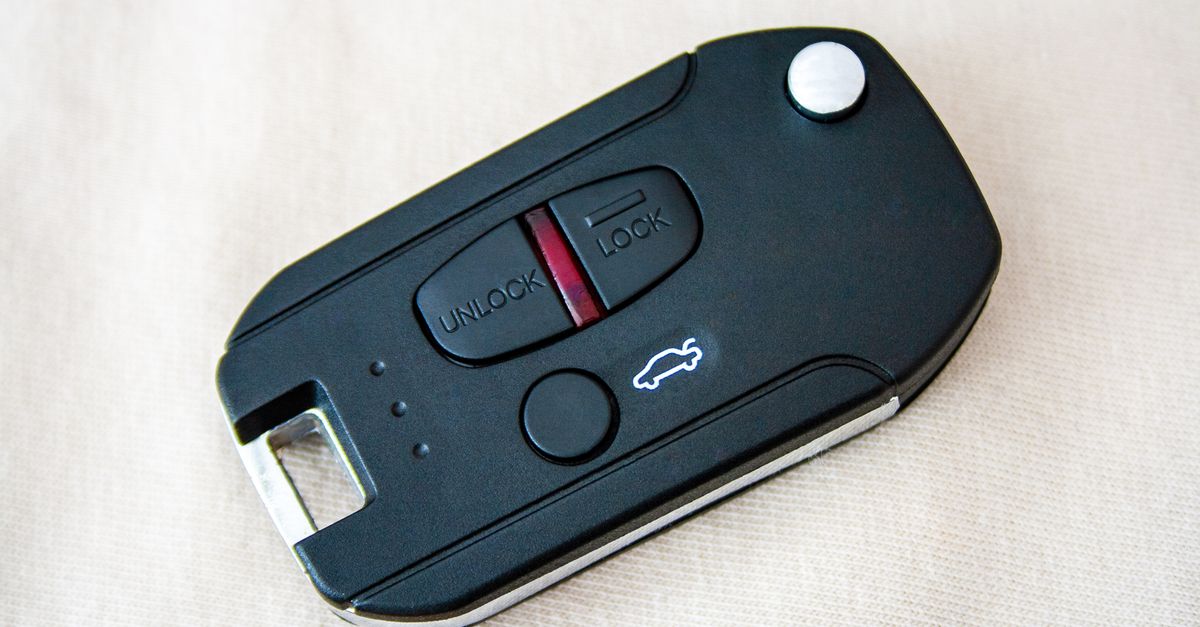
Not every vehicle key is the same, and the type your car requires is the single biggest factor in how your service is priced and performed. Basic metal keys with no electronics — still found on older trucks, fleet vehicles, and some entry-level models — are the quickest to duplicate. One step up are transponder keys, which contain a small chip that must be programmed to your vehicle's ECU before the engine will start; common on most cars sold after the late 1990s. Above those sit laser-cut or sidewinder keys, which use a thicker, precision-machined shank that requires specialized cutting equipment and is standard on many European imports and newer domestic models. Finally, proximity or smart keys — sometimes called push-to-start fobs — communicate with your car wirelessly and must be paired through manufacturer-level programming software. Our technicians are trained to identify which key type your vehicle uses and carry equipment for all four categories.
Make and model matter enormously. Replacing a key for a Toyota Camry follows a completely different programming procedure than one for a RAM 1500, a Honda CR-V, or a BMW 5 Series. Ford's PATS system, GM's PassLock, Chrysler's SKIM, and Toyota's immobilizer each have distinct protocols. We work across a broad spectrum — American brands like Chevrolet, Ford, Dodge, and GMC; Japanese makes including Toyota, Honda, Nissan, Subaru, and Mazda; Korean brands Hyundai and Kia; and European vehicles such as Volkswagen, Audi, Mercedes-Benz, and BMW. When you call (704) 850-6756, our team will ask for your year, make, model, and VIN so we can confirm compatibility and give you an exact up-front price before a single tool is touched.